
All posts
I Stopped Believing I'd Ever Feel Normal Again — Until I Walked Into Bethpage Acupuncture
A Long Island patient's honest account of living with fibromyalgia — and what finally helped her feel like herself again.
A Long Island patient's honest account of living with fibromyalgia — and what finally helped her feel like herself again.
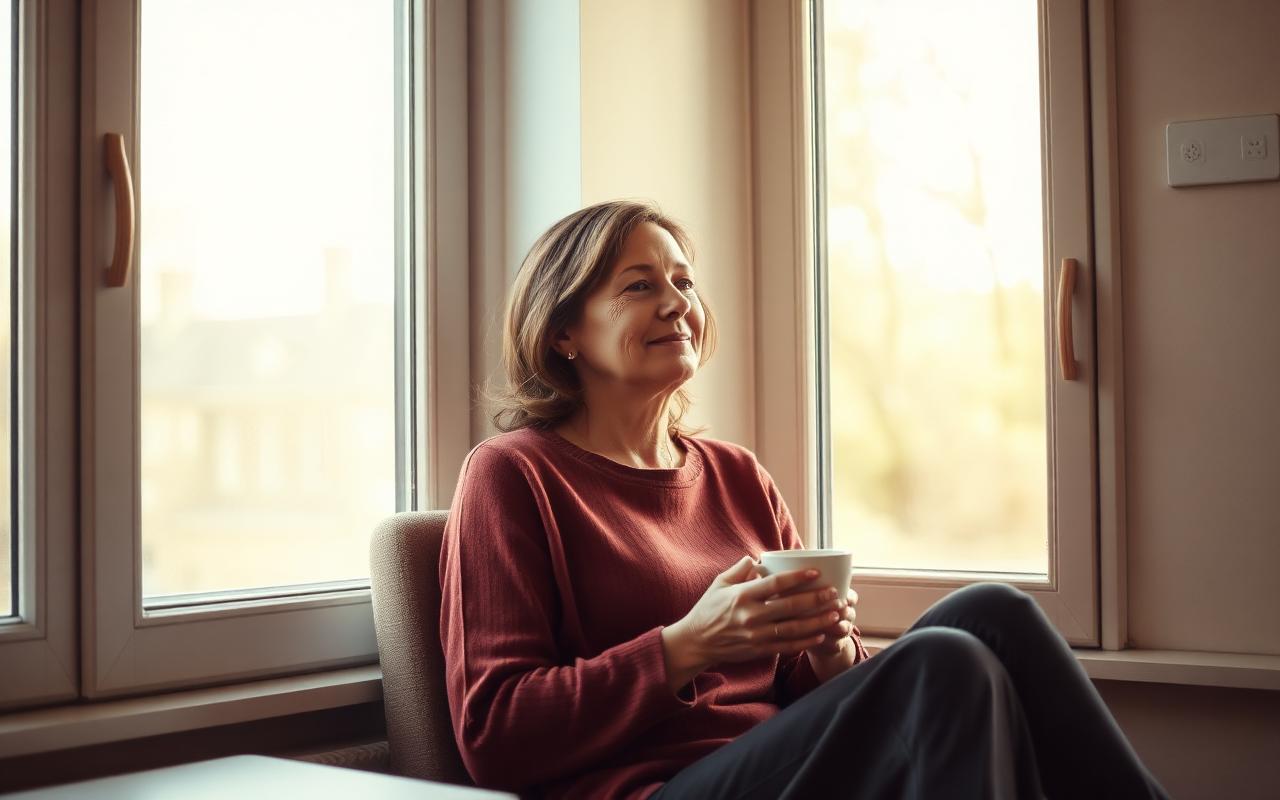
I want to tell you something before I start: I am not a person who does things like this. I am not someone who writes about herself on the internet, who talks about her pain in public, who uses phrases like "healing journey." I'm a 47-year-old woman from Farmingdale who coaches her kid's soccer team and works part-time at a dental office and makes pasta from scratch on Sundays. I am practical. I am skeptical. I grew up in a family where you walked off injuries and didn't make a fuss. And for the better three years of my life, I could barely get out of bed. What Nobody Tells You About Fibromyalgia The thing that wrecked me wasn't just the pain — though the pain was real and constant and awful. It was the confusion. The fibromyalgia diagnosis came after about a year of doctor's appointments, blood draws, a rheumatologist, a neurologist, and more than one physician who I could tell wasn't quite sure what to do with me. Everything would come back "normal." And I would drive home from those appointments feeling like I was losing my mind. The pain was in my shoulders, my hips, the backs of my knees. I woke up every morning feeling like I hadn't slept at all, even when I technically had. I'd have days where just holding a coffee cup felt like too much effort. And then there were the headaches — dull, grinding things that would settle in behind my eyes for days at a time. My husband tried. My kids tried. But there's only so much you can explain to people before you start to feel like a burden, and then you stop trying to explain at all. I started canceling things. Soccer games, dinners with friends, a trip to the Hamptons we'd been planning for two years. I told myself it was temporary. I kept waiting to feel better on my own. The First Visit Jennifer was not what I expected. I think I expected someone very serene and soft-spoken, someone who would use a lot of words I didn't understand. She was warm, yes, but she was also direct and funny and genuinely curious about me. Not just my symptoms — me. She asked me about my work, my schedule, how my sleep actually felt (not just how many hours, but the quality of it), what time of day my pain tended to peak, how my digestion had been, whether I'd noticed any patterns. She listened the way people used to listen before everyone got too busy. I wasn't rushed. I wasn't handed a clipboard and left alone in a room for twenty minutes. She sat across from me and she paid attention. I asked her, honestly, whether she thought she could help me. And she didn't give me a sales pitch. She said something like, "I think we can make a real difference. I want to be honest with you that it takes time, and it takes working together — but I've seen people with fibromyalgia respond really well to what we do here." I appreciated that she didn't promise me a miracle. The Progress Was Real — Just Not Linear I want to be honest about this part, because I think it matters. I didn't walk out of my third appointment feeling like a new person. There were sessions where I went home and thought, is this actually working? There were weeks where I had a bad flare and I felt discouraged. I told Jennifer about those moments and she didn't try to spin them into something positive — she just listened, adjusted, kept paying attention. The early weeks were mostly acupuncture. The needles were nothing like I expected — incredibly fine, barely felt. What surprised me was how deeply I relaxed on the table. Like something unclenching that I didn't know was clenched. I started falling asleep during sessions, which Jennifer said was a good sign. By around the six-week mark, she introduced electroacupuncture — small electrical pulses running between certain needles. It sounds like it shouldn't be soothing, but it was. A mild, rhythmic hum. She explained it helps with persistent muscle pain and the nervous system's heightened sensitivity, which is so much of what fibromyalgia actually is. That was a turning point for me. I'd leave those sessions feeling noticeably different — quieter, somehow. Less braced. Around that same time I started noticing the first real shifts: sleeping more soundly, not perfectly, but better than I had in years. The morning stiffness — that terrible lead-weighted feeling when you first wake up — started to ease faster. I was getting to a functional state by 9am instead of noon. By month three, Jennifer added ATP therapy, a light-based treatment that supports tissue recovery and helps bring inflammation down at the cellular level. The deep, persistent aching in my hips and shoulders — the kind that never fully lifted even on good days — started to change after we added this. Not gone, but softer. More manageable. I went to my nephew's birthday party and stayed for three hours. Standing, talking, even chasing a toddler around the backyard. I came home tired — a normal kind of tired, not the bone-deep exhaustion I'd been living with. I cried a little in the car. Good tears. By month five, she recommended ozone therapy. I had a lot of questions and she answered every one of them without rushing me. Ozone therapy introduces medical-grade ozone to help reduce inflammation and support the immune system. Over the following weeks, my flare-up days became less frequent and less severe. The floor had shifted. By month five, I was back to coaching. Not every practice, not at full energy — but I was there. I was present. My assistant coach kept giving me looks like she was waiting for me to wilt, and I didn't. What It's Like Now I still have fibromyalgia. I want to be clear about that. It hasn't disappeared. I still have hard days. I still have weeks where stress or weather or sleep disruption knock me back a bit. But my baseline has genuinely changed. The ceiling of my worst days is lower. The floor of my best days is higher. I go for maintenance sessions now — less frequently than when I started. Jennifer and I have what I can only describe as a real therapeutic relationship. She knows my history, my patterns, my life. When I come in and mention that I've been stressed about something going on with one of my kids or a difficult week at work, she factors that in. She remembers. She asks. I've referred two women from my neighborhood who had been struggling with chronic pain issues of their own. Both of them have seen real improvement. One of them called me last month just to say thank you. If You're Sitting Where I Was Sitting If you've been living with fibromyalgia pain, or you've been told your symptoms are "unexplained," or you've started to quietly accept that this is just what your life is now... I want you to know that I understand that feeling. And I want you to know that it doesn't have to stay that way. I'm not going to tell you that what worked for me will definitely work for you. Bodies are complicated. Fibromyalgia is complicated. But I will tell you that Jennifer treated me like a person and not a problem, that she was honest with me when I needed honesty, and that I am genuinely living better than I was two years ago. That's not nothing. For me, it's everything. If you're curious about the treatments mentioned in this post — acupuncture, electroacupuncture, ATP therapy, or ozone therapy — the practice is located in Bethpage and serves patients from across Nassau County and beyond. The best thing you can do is call and have a real conversation. That's all I did.